
Orthodontic problems are common and can affect more than just the appearance of a smile. A bad bite, also called malocclusion, can make chewing harder, make teeth more difficult to clean, affect speech, and cause certain teeth to wear faster than others.
Bite problems can develop for many reasons, including genetics, oral habits, dental disease, accidents, birth defects, or other medical conditions. An orthodontic examination helps identify what is happening, why it may be happening, and which treatment options may help.
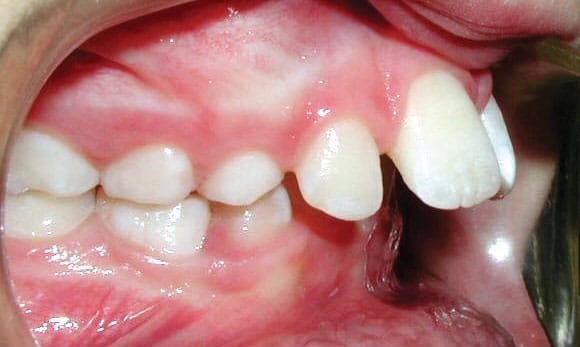
Upper front teeth protrusion
Upper front teeth protrusion happens when the upper front teeth extend too far forward, or when the lower teeth sit too far back. This can affect how the teeth fit together and may leave the front teeth more exposed to chips or injury.
Protrusion is often corrected with braces or aligners. In growing children, orthodontic treatment may also help guide jaw growth when timing and development make that appropriate.
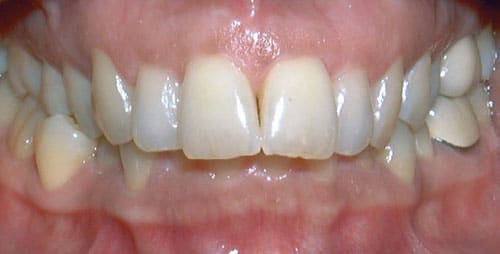
Overbite
An overbite happens when the upper front teeth cover too much of the lower front teeth when the mouth is closed. In a deep overbite, the lower teeth may bite toward the roof of the mouth or cause extra wear on the front teeth.
Overbites can often be corrected with braces or aligners. Elastics may be used when the bite relationship needs correction, and severe adult cases may require surgical orthodontics.
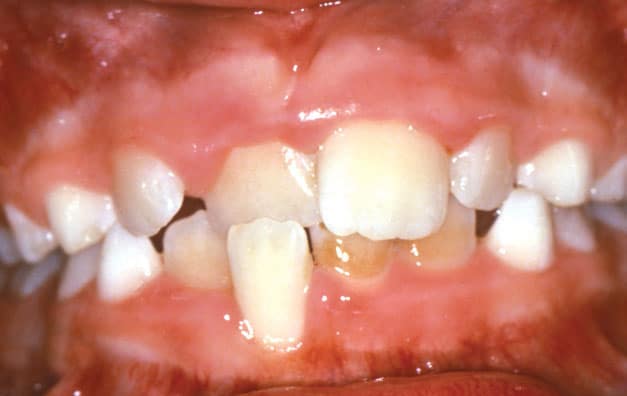
Crossbite
A crossbite happens when some upper teeth sit inside the lower teeth. It may affect one side of the mouth, the front teeth, or multiple areas of the bite. If left untreated, a crossbite can contribute to uneven tooth wear or jaw shifting.
Crossbites are often treated with expansion, especially in growing children, along with braces or aligners when needed. This is one reason an early orthodontic check can be helpful.
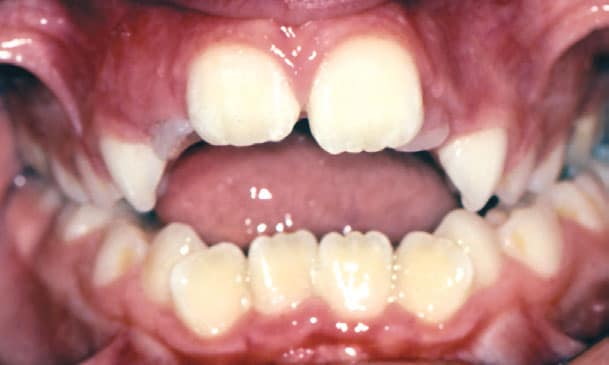
Open bite
An open bite happens when the upper and lower front teeth do not overlap or meet when the back teeth are together. This can make biting into certain foods harder and may affect speech or jaw function.
Open bites may be linked to habits such as thumb sucking, tongue thrusting, or mouth breathing. Treatment may include braces or aligners, appliances that help address the habit, and in some adult cases, surgical orthodontics.
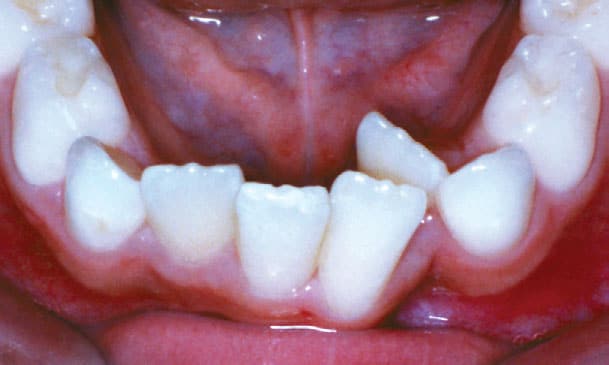
Crowding
Crowding happens when there is not enough room in the dental arch for the teeth to come in straight. Teeth may overlap, rotate, or become difficult to clean well.
Crowding can often be corrected with braces, aligners, or expansion when appropriate. The right treatment depends on how much space is needed, how the teeth are positioned, and whether the patient is still growing.
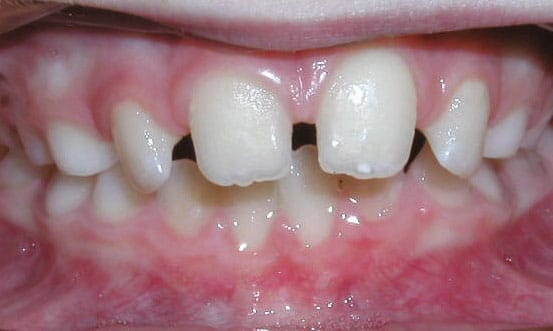
Spacing
Spacing means there are gaps between the teeth. This can happen when teeth are smaller than the arch, when teeth are missing, or when the bite and tooth positions leave open spaces.
Spacing can often be closed with braces or aligners. If a tooth is missing, orthodontic treatment may be used to open, hold, or prepare space for a future replacement instead of closing the gap.
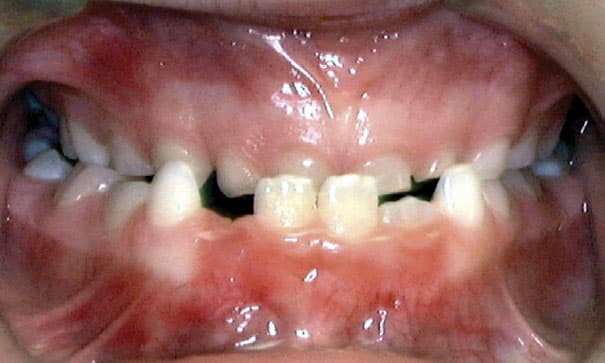
Underbite
An underbite happens when the lower front teeth sit in front of the upper front teeth. This type of bite concern may involve tooth position, jaw growth, or both.
In a growing child, orthodontic treatment may help guide growth and improve the bite relationship. Once growth is complete, a significant skeletal underbite may require orthodontic treatment combined with jaw surgery.
When to visit the orthodonitst
The American Association of Orthodontists recommends a first orthodontic check around age 7, but children can be seen earlier if a parent, dentist, or doctor notices a concern. An early visit helps the orthodontist monitor growth, tooth eruption, and bite development.
Not every child needs treatment right away. Some children are ready for early treatment, while others are placed in the Growth Observation Program and seen every 6 to 12 months until the timing is right.
Adults can schedule an orthodontic evaluation at any age. See adult orthodontics, or complex cases and retreatment if you have had braces before and your teeth or bite have shifted.
How orthodontic problems get diagnosed
Many orthodontic problems can be seen during an exam, but the records help show the full picture. A crossbite may be dental or skeletal, and those are treated differently. Crowding may come from lack of space, tooth size, jaw development, or a combination of factors. An open bite may be structural or related to an active habit.
That is why orthodontic records matter. Study models, X-rays, and three-dimensional imaging when clinically useful help the doctors evaluate tooth position, root position, jaw relationships, and developing permanent teeth. The treatment plan is based on the diagnosis, not just how the bite looks.
Schedule your complimentary consultation
Call the Odessa office at (432) 333-7105 or the Midland office at (432) 682-1222, or request an appointment online.
Dr. Megan Reznik, Dr. Derek Reznik, and Dr. Michael Reznik are Diplomates of the American Board of Orthodontics. At your complimentary consultation, one of our board-certified orthodontists will explain the concern, review treatment options, and provide a written fee estimate.
Frequently Asked Questions
What is the difference between an overbite and an overjet?
Overbite describes how much the upper front teeth cover the lower ones vertically. Overjet describes how far forward the upper front teeth sit horizontally. People usually mean overjet when they say a tooth “sticks out”, and the two are treated differently.
Does an untreated bite problem get worse?
It usually does not correct itself, and several of these conditions worsen over time. Crowding tends to increase with age, and a crossbite left untreated during the growth period can influence how the jaw develops.
Are these problems always visible?
No. Crowding and protrusion are obvious; a crossbite at the back of the mouth or a developing jaw discrepancy often is not. That is exactly why a child gets checked at 7 rather than when something starts to look wrong.
Can one person have more than one of these?
Frequently, and most treatment plans address more than one thing at once. Crowding with a deep bite is a very common pairing. The examination sorts out which problem drives the others.